



Introduction
Finding the right keywords is one of the hardest parts of building a content strategy that actually drives results. It’s not just about showing up on search engines; it’s about reaching the right audience at the right time.
That’s where AI keyword generators come in. These tools analyze search trends, user behavior, and content performance to quickly surface keywords that matter most for your brand.
For marketing teams, this means less time spent on tedious research and more time creating campaigns that deliver. McKinsey estimates that smarter workflows like these can boost marketing productivity by up to 15 percent, representing a potential $463 billion in value each year. It’s a clear sign that marketers embracing AI-powered advanced keyword research are making smarter decisions.
In this guide, we’ll explore the best AI keyword generators for 2025, break down their strengths, and share a practical framework to build a keyword strategy that improves visibility and drives results.
Whether you’re running campaigns for a startup or managing enterprise SEO, this article will give you a clear path to stronger rankings and more opportunities to grow your business.
What is an AI Keyword Generator
An AI keyword generator is a tool that uses machine learning and natural language processing to find and organize keywords based on real search behavior. Unlike manual keyword research, AI keyword research tools analyze data from search engines, competitor content, and user queries to uncover terms your audience is actively searching for.
These platforms also power AI-based keyword analysis and clustering, helping marketers group keywords by search intent and spot gaps competitors might miss. Popular AI keyword suggestion tools like Semrush, KWFinder, and KeywordTool.io make it easier to automate keyword research so teams can focus on building strategies instead of spreadsheets.
With features like AI keyword optimization, marketers can quickly build topic clusters, identify long-tail opportunities, and plan campaigns that connect with users at every stage of their journey.
Why use an AI keyword generator
You should use an AI keyword generator because it makes keyword research faster, smarter, and more accurate. Instead of spending hours digging through spreadsheets, these AI keyword research tools analyze millions of search queries in seconds, uncovering patterns and intent-driven opportunities that manual research often misses.
With AI-based keyword analysis, you get:
- Clear keyword clusters organized by search intent.
- Long-tail suggestions that help you target niche, high-converting terms.
- Data-driven insights into competitor gaps you can quickly act on.
A Gartner survey found that among organizations using generative AI, 77% apply it to creative tasks like content development, with adoption rising to 84% among top performers. Nearly half (48%) also use AI for strategy development, a number that climbs to 52% among high-performing teams.
At RevvGrowth, we pair AI-powered keyword tools with data-driven SEO strategies to deliver measurable results. For example, we helped Atlan grow from 17K to 128K organic visitors in 11 months.

We also positioned Everstage on Page 1 for multiple competitive SaaS keywords. Our approach blends AI automation, technical SEO, and targeted content strategy to consistently drive qualified traffic and revenue growth.

With RevvGrowth, every keyword becomes an opportunity to scale smarter and win market share.
Step-by-step: Implementing an AI keyword strategy
An AI keyword generator is powerful, but it delivers the best results when used with a clear, repeatable strategy. This workflow helps marketers move beyond collecting keywords to creating content that ranks, resonates, and converts.

1. Start with a seed keyword and clear goals
Pick a keyword closely tied to your audience or product, such as “SEO software for small businesses.” Set a measurable goal, like ranking on page one for three target terms in 60 days or driving a 20% increase in organic leads. AI keyword research tools like Semrush or Ahrefs can validate your choice by showing demand, competition, and SERP trends.
2. Use AI keyword suggestion tools to build your list
Input your seed keyword into tools like KeywordTool.io or KWFinder. These platforms analyze search engine data to generate hundreds of variations, including long-tail keywords that reflect niche search intent. Apply filters for search volume, cost-per-click, and keyword difficulty to eliminate noise and focus on terms that will deliver ROI.
3. Cluster keywords by intent for smarter content planning
AI keyword clustering automatically organizes terms into intent-driven groups: informational (educational queries), commercial (researching options), and transactional (ready to buy). For example, “best AI keyword tools” is commercial, while “how to do keyword research” is informational. Building pages or sections around each cluster signals relevance to both search engines and users.
4. Integrate keywords naturally across your content
Assign primary keywords to titles, H1s, and meta descriptions, while using secondary terms throughout the copy, alt tags, and internal links. AI content optimization tools like WriterZen or Clearscope can help ensure coverage without over-optimization. Add comparison tables, FAQs, or visuals where search intent calls for them, improving your chance of earning featured snippets.
5. Track performance and iterate based on AI insights
Set up keyword position tracking in Google Search Console or Ahrefs. Look beyond rankings: track click-through rates, engagement, and conversions. Use AI-based keyword analysis to adjust targeting as search patterns shift. For example, if competitors start ranking for a new intent cluster, update or expand your content to stay ahead.
With this approach, AI keyword research tools stop being just “idea generators” and become the backbone of a data-driven SEO strategy that grows with your business.
Top AI Keyword Generator Tools and Platforms
If you’re choosing an AI keyword generator, the best tool for you depends on your goals, team size, and content strategy. Below are some of the most trusted AI keyword research tools, grouped by use case, with real-world examples to show how marketers use them.
1. Semrush
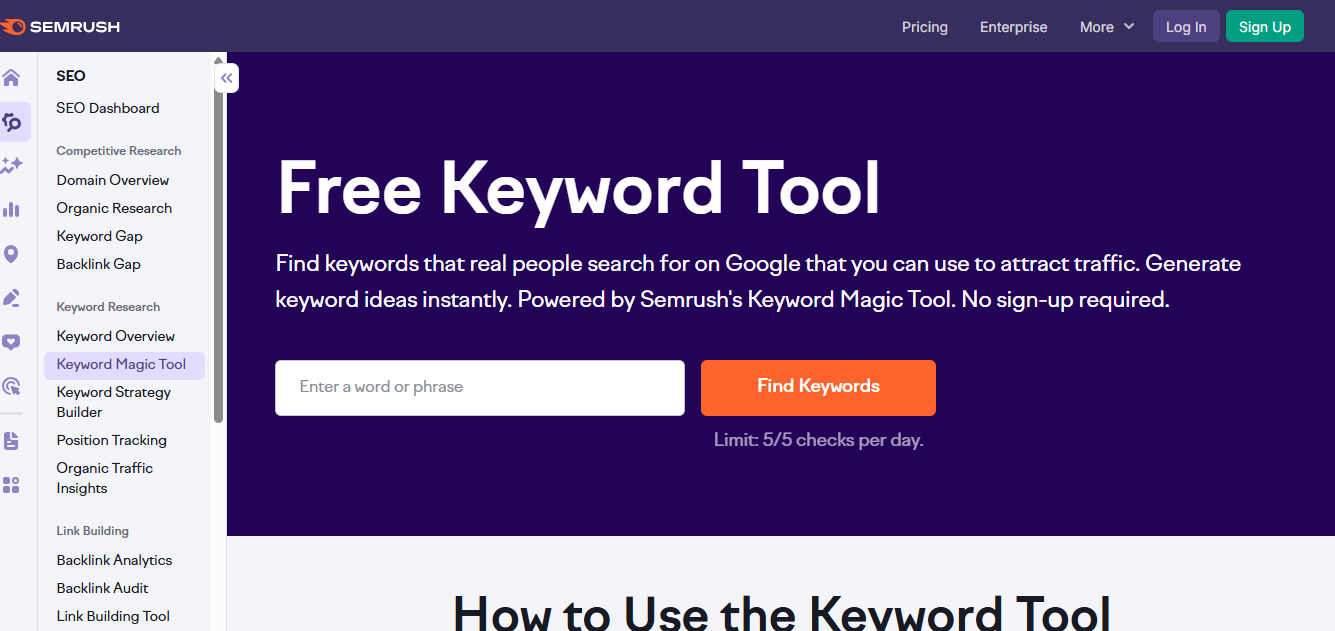
Semrush is a leading AI keyword generator and research platform built specifically for brands and agencies managing large-scale campaigns. Its AI-driven features simplify the entire research process, from identifying keyword opportunities to optimizing campaigns for measurable results.
Key highlights:
- The Keyword Magic Tool uses AI to group keywords by topic and intent, allowing SEO teams to organize and prioritize content around high-value search terms.
- Competitor gap analysis helps identify terms your competitors already rank for, making it easier to target untapped opportunities and close market gaps.
- Semrush integrates with Google Search Console, GA4, and SurferSEO. These connections provide unified performance data, helping teams make informed decisions quickly.
- Designed for scalability, Semrush is ideal for agencies managing multi-site campaigns, enterprises with multiple product lines, or in-house teams overseeing international SEO efforts.
Real-world use case:
Furniture brand KuchyneValent leveraged Semrush’s AI-powered insights to refine its keyword targeting and image SEO strategy, resulting in a 250% revenue increase from organic search.
- By focusing on keyword clustering and intent-based targeting, the company significantly improved its visibility for high-converting search terms.
- Image SEO optimization led to higher engagement rates and a measurable rise in e-commerce conversions.
In Reddit, users consistently highlight Semrush’s competitor keyword tracking as one of its strongest features. The ability to filter keywords by specific URLs helps agencies and consultants closely monitor competitors’ ranking strategies, making Semrush a go-to tool for competitive SEO campaigns.
Semrush remains a top-tier choice for businesses looking to combine AI-driven keyword generation, content planning, and competitive intelligence in one robust platform.
2. Rank Math Content AI
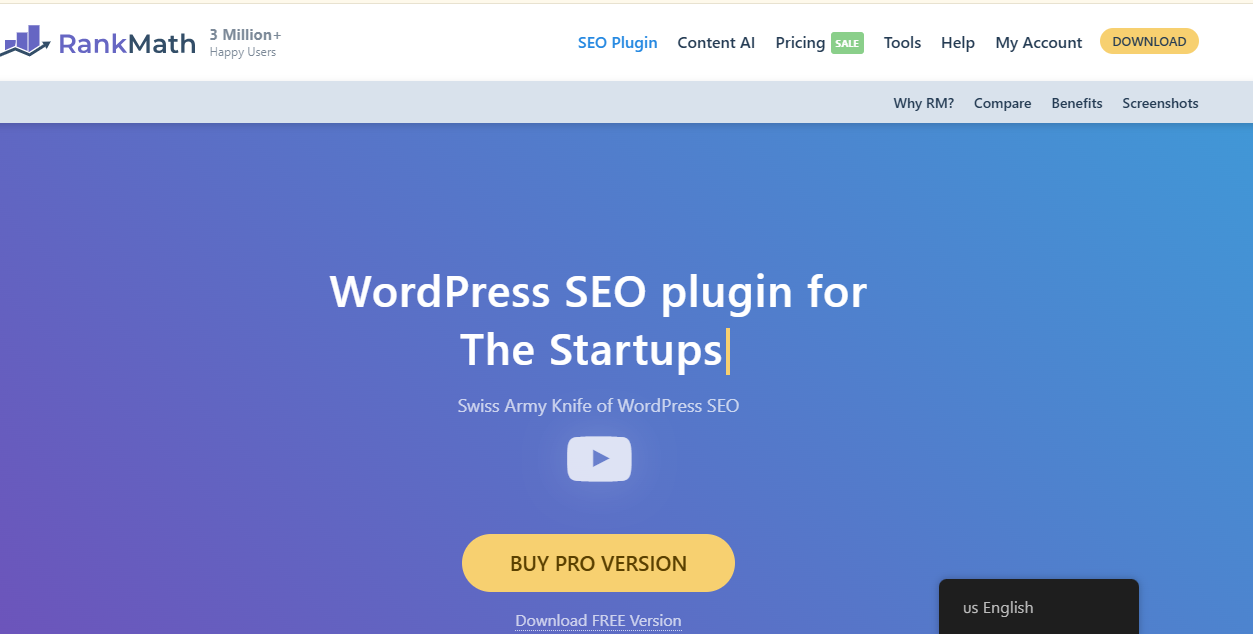
Rank Math has become one of the most popular AI-powered SEO plugins for WordPress, offering advanced features for free that competitors lock behind paywalls. It is particularly appealing to bloggers, creators, and niche publishers who want to optimize posts in real time without juggling multiple dashboards or plugins.
Key highlights:
- Rank Math provides instant keyword and heading recommendations in the WordPress editor, so creators can optimize their content while writing rather than after publishing.
- Its built-in schema generation, FAQ blocks, and meta tag automation increase the likelihood of ranking in featured snippets and rich results.
- Users can optimize for up to five target keywords per page for free, a premium-only feature in competing plugins like Yoast SEO.
- A powerful 100-point SEO analysis tool helps detect on-page weaknesses and suggests specific improvements for over 40 ranking factors.
Real-world use case:
SEO expert Matthew Woodward switched his entire network of sites from Yoast to Rank Math after testing it extensively for nine months.
- He highlighted that Rank Math is “faster, more intuitive, and more feature-rich,” with advanced analysis and multiple keyword targeting available for free, helping him scale content optimization across dozens of websites.
- Rank Math’s one-click migration wizard preserved all Yoast settings, and its built-in schema and audit tools fixed existing site errors, reducing bloat and improving site performance.
On Reddit, users consistently praised Rank Math for being lighter and faster than Yoast while offering more advanced SEO tools for free. Many highlighted its modular setup, which lets them enable only the features they need, reducing site bloat and improving performance.
Rank Math provides bloggers and small content teams with a highly capable, free SEO toolkit, making it a standout option for those who want deep insight without complexity or cost.
3. KeywordTool.io
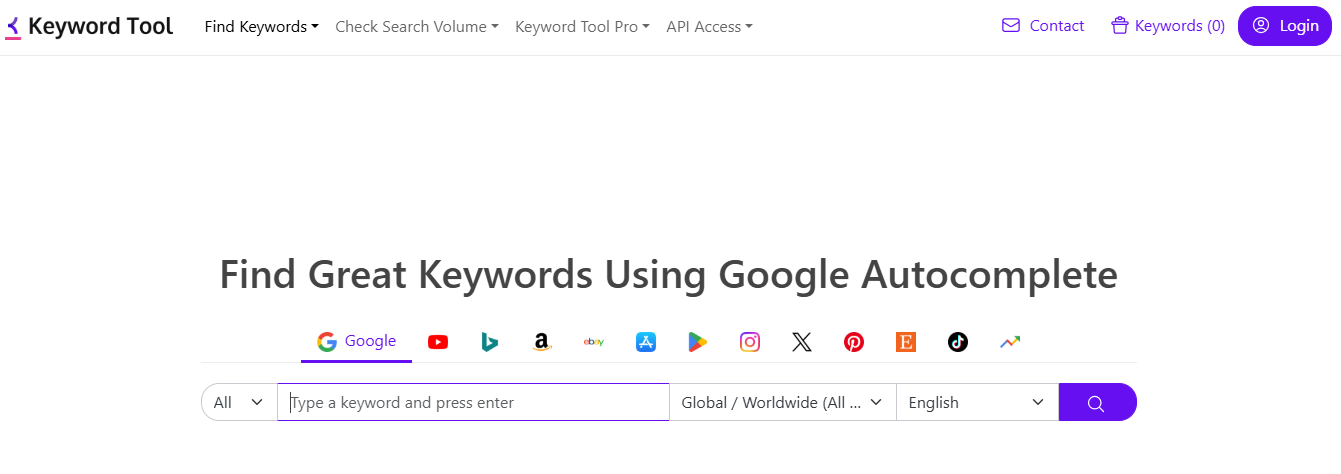
KeywordTool.io focuses on AI-driven keyword generation using autocomplete data from major search engines and marketplaces. Its ability to extract hundreds of long-tail keyword variations in seconds makes it an essential tool for marketers who thrive on volume, especially those in e-commerce and video content creation.
Key highlights:
- The platform generates over 750 long-tail keyword suggestions per search, giving teams an extensive database of ideas to target high-intent and niche searches.
- KeywordTool.io pulls real-time data from Google, YouTube, Amazon, Bing, and other search engines, making it versatile for multi-channel strategies.
- It is a favorite for e-commerce brands and YouTubers who need to understand and respond to fast-changing user behavior in competitive spaces.
- A premium subscription unlocks valuable metrics such as CPC data, competition levels, and keyword volume, making it a comprehensive tool for professionals.
Real-world use case:
Marketing agency ReGo Marketing streamlined its content strategy with KeywordTool.io, saving hours of manual keyword research.
- The team prioritized topics based on high-intent keywords, resulting in higher organic engagement rates.
- By leveraging autocomplete data, they quickly identified untapped opportunities to improve their video SEO strategy.
On Reddit, KeywordTool.io’s own team highlighted that their Pro plan pulls 1,400+ long-tail keyword suggestions directly from Google Autocomplete. This feature helps marketers surface unique search terms competitors often overlook, making it especially valuable for long-tail keyword discovery and content planning.
KeywordTool.io is perfect for creators, ecommerce brands, and agencies who need fast, data-rich keyword discovery across multiple platforms, helping them stay ahead of search trends without the steep learning curve of enterprise SEO suites.
4. KWFinder
KWFinder is popular among freelancers and small businesses because it makes AI keyword clustering accessible in a lightweight package. It’s perfect for those who don’t want to sacrifice technical depth but prefer a clean, approachable interface.

Key highlights:
- KWFinder organizes keyword opportunities using search intent and difficulty scores, helping marketers focus on terms with realistic ranking potential.
- It includes built-in local SEO features and historical trend tracking, making it a strong option for location-based businesses.
- The tool integrates seamlessly with SERPChecker and LinkMiner, creating a complete SEO suite for freelancers and SMBs.
- Its simple UI and affordable pricing make KWFinder a smart entry point into AI-based keyword research for smaller teams.
Real-world use case:
Doug Cunnington documented a 12-month project implementing the Keyword Golden Ratio (KGR) method and used KWFinder to find and filter long-tail terms under 250 searches/month. The site’s traffic grew by ~800% and revenue climbed from $100 to $14,853 in a year.
- In the workflow, KWFinder’s Autocomplete and Questions modes supplied hundreds of candidate phrases; applying KWFinder filters (max volume ≤250 and low KD) produced a shortlist of KGR-compliant targets to publish at scale.
- The process relied on KWFinder’s in-panel SERP/KD to judge competition quickly, allowing the team to publish ~200 focused posts without leaving the tool for basic competitiveness checks.
On Reddit, users shared their experiences comparing multiple tools, with one professional noting they prefer Ahrefs for backlink analysis, Moz for on-page SEO insights, and KWFinder for keyword research.
This sentiment reinforces KWFinder’s reputation as a straightforward, accurate keyword discovery tool, especially valued by freelancers and small teams looking for a clear, affordable solution.
5. Ahrefs
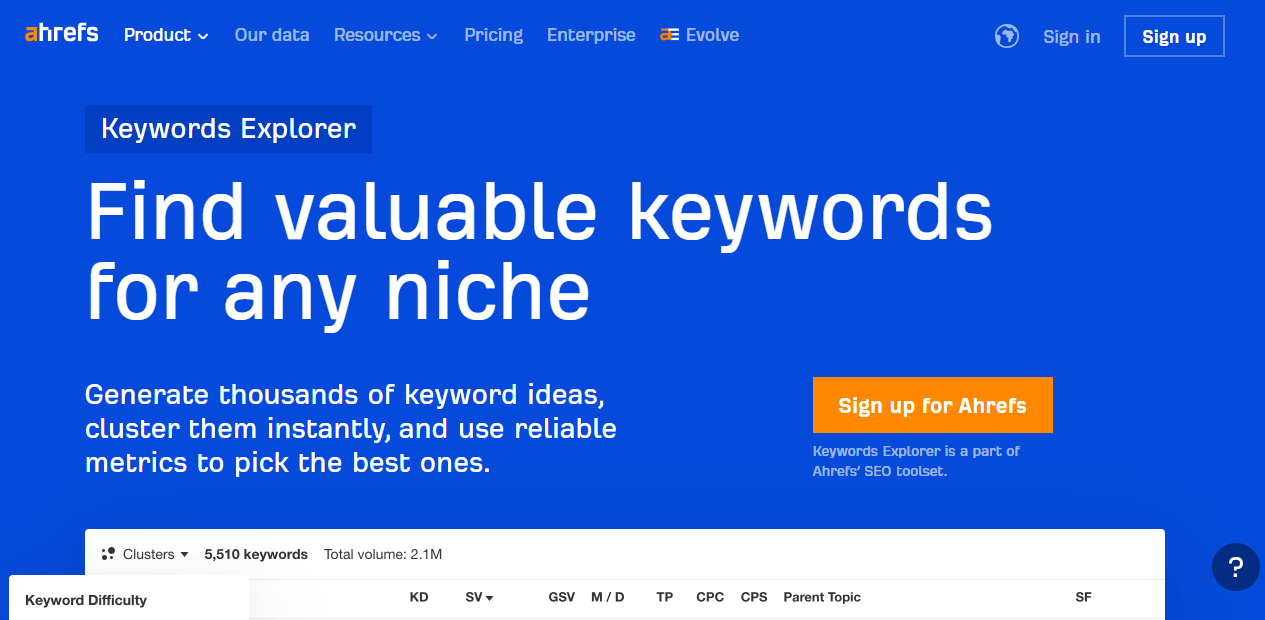
Ahrefs is a powerhouse for SEO professionals and agencies that need more than basic keyword suggestions. With a database of over 10 billion keywords and one of the largest backlink indexes in the industry, it’s built for AI-driven keyword analysis, competitive benchmarking, and uncovering untapped opportunities.
Key highlights:
- Ahrefs’ Keyword Explorer provides advanced metrics for each term, including search volume, CPC, click data, and keyword difficulty.
- The SERP overview for each keyword includes ranking history, backlink profiles, and competitor insights for smarter targeting decisions.
- The Content Gap tool makes it easy to identify terms your competitors rank for, but your site does not, helping you close strategic gaps.
- Its AI-powered keyword difficulty scoring simplifies prioritization by predicting how achievable a ranking is.
- Site Explorer and Rank Tracker provide long-term monitoring to help teams measure performance and adjust their strategies.
Real-world case study:
Shopify’s SEO team used Ahrefs’ Content Gap tool to identify high-potential keywords competitors were ranking for, but Shopify was not. By refining landing pages around these opportunities and pairing Ahrefs’ keyword data with internal analytics, they saw stronger rankings for competitive terms and a measurable lift in conversions.
- The team built a keyword strategy centered around gaps where competitors had authority, using Ahrefs’ SERP overview and keyword metrics to prioritize opportunities with high conversion potential.
- This approach allowed Shopify to target content updates more effectively, optimize high-value landing pages, and increase organic traffic without unnecessary content expansion.
SEO professionals on Reddit highlight Ahrefs as one of the most powerful platforms for competitor research. Users frequently praise its ability to surface competitor keywords, links, and top-performing content, even identifying opportunities like broken link building.
Community discussions emphasize that Ahrefs is unmatched for uncovering competitive trends and traffic sources, making it an essential platform for deep SEO analysis.
6. TopicRanker
TopicRanker focuses on AI-powered keyword generation by analyzing the actual search results, not just surface-level metrics. Instead of relying solely on keyword difficulty scores, it examines weaknesses in top-ranking pages, like outdated content, thin articles, or slow load times, to uncover realistic ranking opportunities that other tools may miss.

Key highlights:
- TopicRanker’s AI evaluates SERPs to identify keywords where competitors’ content lacks depth, clarity, or performance, making them easier targets for your brand.
- Bulk SERP scanning lets marketers quickly spot high-potential, low-competition keywords based on actionable gaps in the top search results.
- Built-in AI-generated content briefs streamline the process from keyword discovery to execution, reducing time spent planning.
- Affordable pricing starting at $9/ 9/month makes it accessible for freelancers, solopreneurs, and small businesses seeking smarter SEO strategies.
Real-world case study:
Dmitry Dragilev, the creator of TopicRanker, tested the tool on a brand-new domain and targeted the search term "which keywords are best to target." By focusing on SERP weaknesses, like missing exact-match titles, slow page speeds, thin content, and low readability, he crafted a stronger article and achieved the #1 ranking within a week, all without building backlinks.
- The tool helped pinpoint structural advantages (titles, word count, readability) needed to outmatch competitors.
- This example highlights how TopicRanker delivers quick, practical wins for new sites, especially those without established link profiles.
Site owners and in-house marketers value TopicRanker for simplifying keyword research by focusing on SERP weaknesses instead of just difficulty scores. Its clear interface and actionable insights make it easier to identify ranking opportunities without investing in complex or expensive SEO platforms.
Teams use TopicRanker to cut through noise, prioritize achievable keywords, and execute campaigns faster with confidence.
With these AI keyword research tools, AI keyword suggestion platforms, and AI-based keyword analysis solutions, marketers can uncover high-value opportunities, streamline workflows, and gain a competitive edge.
Quick Comparison:
Now that we’ve explored the top AI keyword generators, let’s dive deeper into why these tools are transforming SEO strategies and how they can help your team achieve measurable growth.
Conclusion
Using an AI keyword generator is the smartest way to make SEO simpler and more effective. With the right mix of AI keyword research tools, AI keyword suggestion tools, and AI-based keyword analysis, you can uncover hidden opportunities, plan content around real search intent, and stay ahead of competitors.
If you’re a small team, these tools can save hours of manual research. For larger marketing teams, they make it easier to scale campaigns, find keyword gaps, and deliver measurable ROI. Whether you’re new to SEO or running advanced strategies, AI-driven keyword generation gives you the insights to grow faster and with more confidence.
At RevvGrowth, we’ve seen how the right tools can completely change a brand’s approach to SEO. If you’re ready to take your keyword strategy to the next level, check out our resources and see how we can help you turn SEO into a real growth driver.
.svg)


.webp)
.avif)